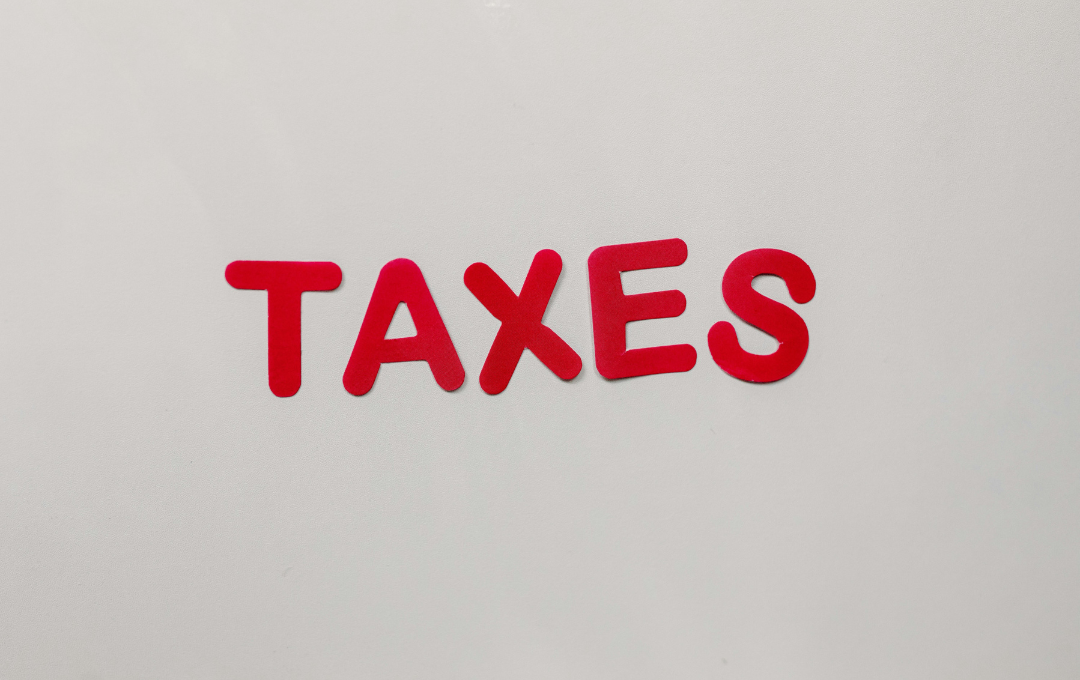
Mayors across England are to be given the power to charge a tourist tax on overnight stays which would apply to British and foreign visitors alike.
Rather than being a flat fee, it would be a percentage of the visitor’s total spend, with proponents saying the money raised could be ring-fenced for tourism-related spending. The rules published so far, however, will allow mayors and strategic authorities to decide how levy revenues are spent.
The government consulted on the introduction of an overnight visitor levy between November 2025 and February 2026 and has decided to implement its consultation outcome document.
It will bring a bill to Parliament ‘in due course’ to introduce the levy.
All mayoral and foundation strategic authorities in England will be able to introduce an overnight visitor levy, subject to consulting locally and giving businesses advance notice of its introduction and any changes.
It will apply to all short-term visitor accommodation although there can be local exemptions for charitable accommodation, campsites or shelters. To avoid confusion for visitors and businesses, exemptions for localities will not be allowed.
Accommodation providers will be liable for the levy that will be paid through a self-assessment process. It’s up to these providers to pass on the levy to their customers or not. Local authorities will oversee both tax collection and regulation.

The Competition and Markets Authority (CMA) has opened three new investigations into drip pricing and warned businesses in every sector to check their prices. Drip pricing is where mandatory charges are left out of the headline price and added later in the buying process.

Consumer Prices Index (CPI) inflation rose to 3.6% in the 12 months to October 2026, up from 3.5% in September, according to the Office for National Statistics (ONS). Separate ONS figures show job vacancies falling fastest at the smallest businesses.